The World’s First Laboratory of Risk™
An immersive, museum‑style learning experience where youth explore how choices shape their future.
What Is the Laboratory of Risk™?
The Laboratory of Risk™ is an interactive, educator‑led exhibit designed to help individuals, youth, families, and communities understand how everyday choices influence their lives and shape their future. Each station uses real‑life scenarios, guided reflection, and innovative hands‑on learning to teach participants how to recognize risks, think before acting, and make decisions that lead to safer, healthier outcomes. By practicing these valuable life skills in supportive environments, individuals, youth, families, and communities build confidence, strengthen emotional awareness, reconnect on a human level, and learn how to create better opportunities for themselves and those around them.
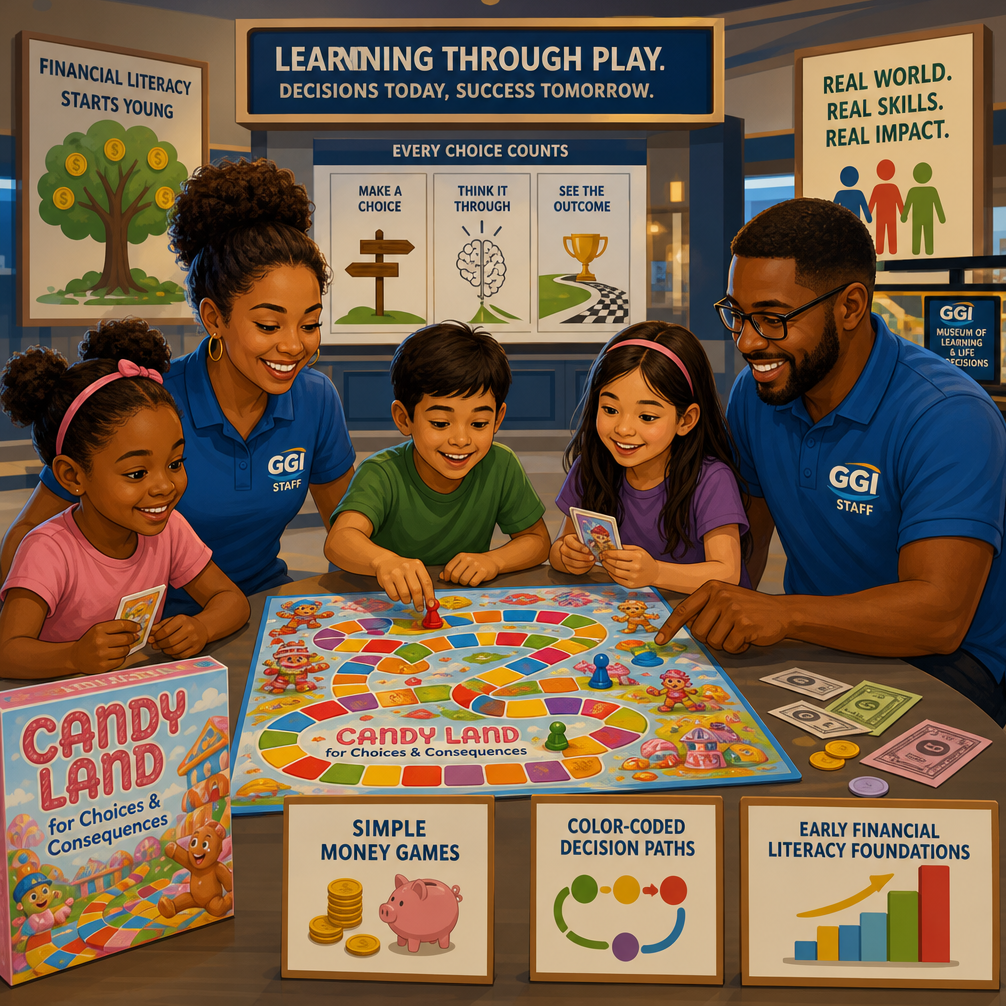
How the Lab Works (Stations)
- Content:
- Risk & Consequences
- Choices & Outcomes
- Social & Emotional Decisions
- Digital & Real‑World Risk
How the Laboratory Works
The Laboratory of Risk™ uses guided educator stations and carefully selected games to help individuals, youth, families, and communities understand how choices, consequences, and decision‑making shape real‑life outcomes. Every game is used strictly as an educational tool—never for gambling, prizes, or entertainment—and each one teaches a specific life skill, cognitive skill, or behavioral principle. GGI transforms games into a laboratory where people can safely study human behavior, probability, strategy, and decision‑making in ways no other educational program has ever done.
Why Games Teach Us About Life
GGI teaches participants to ask:
“What does this game teach us about life?”
- Chess → Think before you act.
- Monopoly → Resources matter, but so do the rules.
- Backgammon → Life is a mix of skill and luck.
- Spades & Hearts → Cooperation, timing, and emotional control matter.
- Connect Four → Patterns reveal opportunities.
- The Game of Life → Small choices create very different futures.
- Probability demonstrations → Not everything is under your control.
- Tic‑Tac‑Toe → Logic & Pattern Recognition
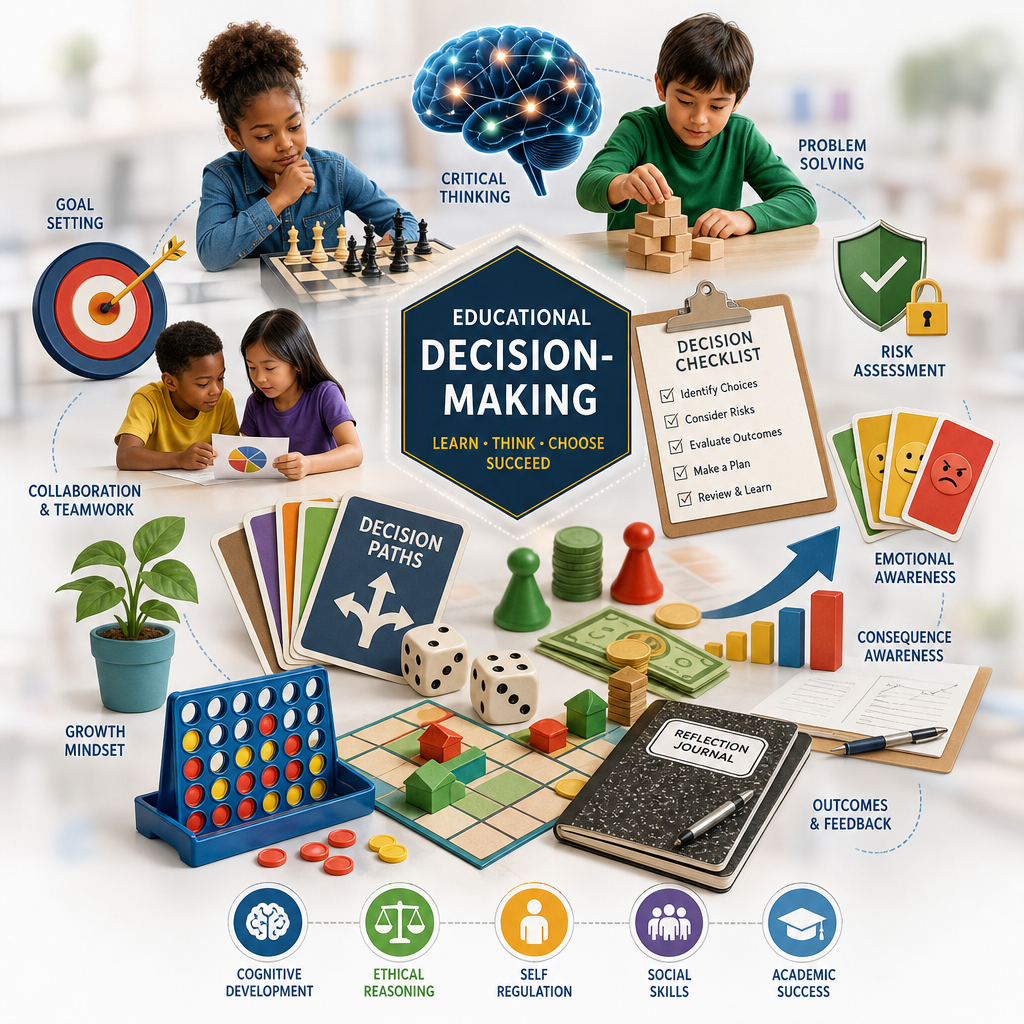
“Games are the most elevated form of investigation.” — Albert Einstein
“GGI aims to achieve measurable educational impact in areas such as probability, decision‑making, financial literacy, and behavioral awareness.”
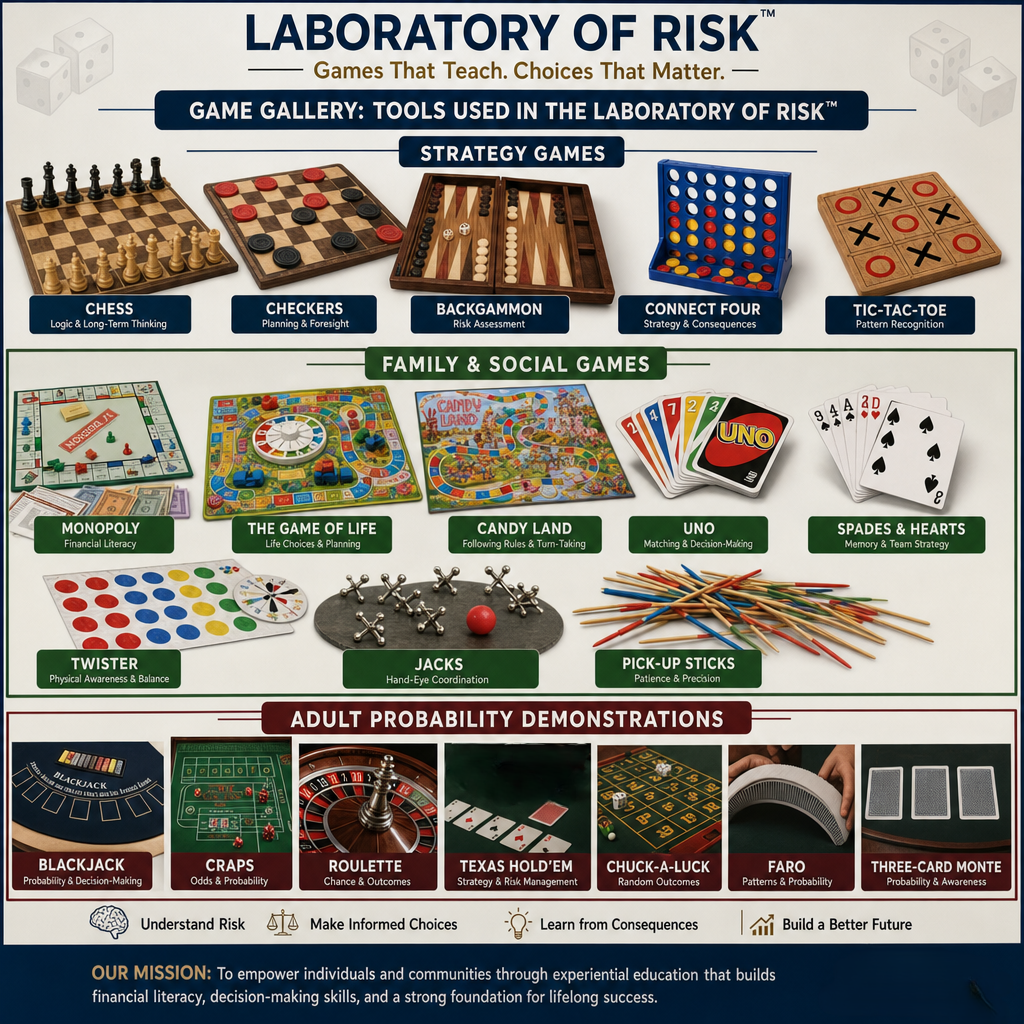
Games & The Life Skills They Teach
Strategic & Cognitive Skills
- Chess — Strategic planning, thinking before acting, anticipating consequences
- Checkers — Tactical decision‑making, pattern recognition
- Connect Four — Predicting outcomes, recognizing patterns, planning ahead
- Backgammon — Understanding the interaction of skill and luck, probability awareness
Financial Literacy & Resource Management
- Monopoly — Budgeting, resource management, negotiation, long‑term planning
- The Game of Life — Life choices, chance, planning for future outcomes
Social & Emotional Skills
- Spades — Teamwork, communication, timing, emotional control
- Hearts — Managing consequences, patience, emotional regulation
- Uno — Emotional regulation, fairness, social interaction
- Candy Land for Choices & Consequences (GGI version) — Understanding choices, consequences, and emotional responses
Physical & Social Interaction Station
- Twister — Balance, coordination, quick decision‑making, social interaction
- Jacks — Hand‑eye coordination, fine motor control, timing, focus
- Pick‑Up Sticks — Precision, patience, steady hand contro
Advanced Probability & Behavioral Science (Educational Demonstrations Only)
(These are NOT used for gambling, prizes, or wagering — strictly educational tools.)
- Blackjack — Probability, expected value, emotional control
- Craps — Randomness, dice probability, cognitive bias
- Roulette — Chance, probability vs intuition, risk perception
- Texas Hold’em — Decision‑making with incomplete information, strategy, reading situations
Historical Probability & Awareness Demonstrations
(Used only to teach math, deception awareness, and behavioral science.)
- Chuck‑A‑Luck — Probability, randomness
- Faro — Historical probability concepts
- Three‑Card Monte — Deception awareness, cognitive bias, critical thinking
**All these games teach body awareness, coordination, quick decision‑making, and social interaction**
______________________________________________________________________________________
⭐Why the Laboratory of Risk™ Matters
The Laboratory of Risk™ matters because it brings GGI’s mission to life. GGI exists to help people make informed decisions and create stronger opportunities, and the Lab provides a hands‑on way for youth, families, and communities to explore how choices shape real‑world outcomes. Through guided activities, participants learn to evaluate risk, recognize consequences, and understand how decisions can lead to opportunities or challenges. These experiences strengthen critical thinking, emotional awareness, and practical decision‑making skills — all core to GGI’s purpose of equipping people with the knowledge and tools needed to build a stronger future!
_______________________________________________________________________________________
Educational Use Disclosure:
All games, tools, and demonstrations used within GGI’s Laboratory of Risk™ are customized educational adaptations designed to teach decision‑making, probability, financial literacy, emotional regulation, social awareness, and real‑world consequences. Regardless of the original commercial purpose of the game, GGI uses each activity strictly as an educational tool. No game is ever used for entertainment, prizes, gambling, wagering, or chance‑based rewards. Advanced and historical games are presented only as probability, deception awareness, and behavioral science demonstrations. Every station is educator‑led, mission‑aligned, and designed to support GGI’s nonprofit purpose: helping youth and families understand risk, choices, consequences, and real‑world systems through structured, immersive learning experiences.
Participation in advanced probability and behavioral science demonstrations is limited to adults ages 18 and older. These adult‑only activities are used strictly for educational purposes to teach probability, decision‑making, cognitive bias, and behavioral science, and are never used for gambling, prizes, or wagering.
The Giving Gaming Initiative, Inc.
EIN: 33‑3034210
A 501(c)(3) federally tax‑exempt educational nonprofit organization.
Contributions are tax‑deductible to the fullest extent allowed by law.
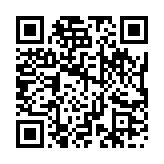
🎟️ Free Ticket Link: https://www.zeffy.com/en-US/ticketing/annual-gala-4989
GGI's July 17th Free Event Ticket QR Code
© 2026 The Giving Gaming Initiative, Inc.™| All Rights Reserved